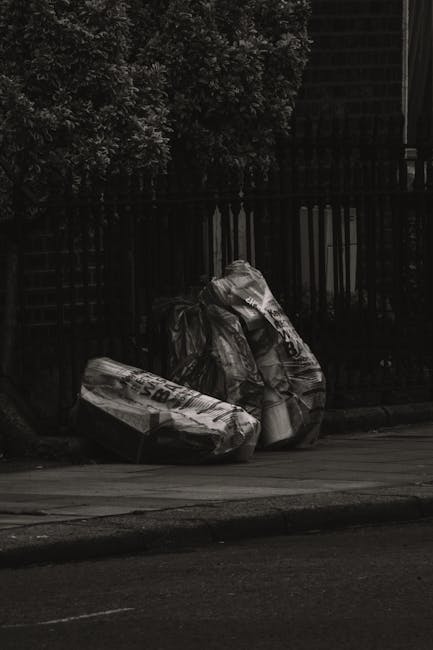
NW1 quick rubbish clearance near Regents Park station: a practical local guide
If you need NW1 quick rubbish clearance near Regents Park station, you probably want the same thing most people want in a rush: the rubbish gone, the space usable again, and no drama with access, timing, or hidden complications. Maybe it is a flat with bags building up in the hallway. Maybe it is builders' debris after a job that ran long. Or maybe it is just that one awkward pile of furniture, boxes, and old bits that has turned into a bigger problem than it looked at first glance.
This guide breaks the process down in plain English. You will learn how quick clearance usually works around Regents Park station, what to expect, what can slow things down, and how to choose the right service for a tight NW1 schedule. We will also cover practical comparisons, compliance points, and a simple checklist so you can make a sensible decision without faffing about.
Why NW1 quick rubbish clearance near Regents Park station Matters
In a busy part of London like NW1, rubbish does not just sit there quietly. It starts affecting access, smell, presentation, and sometimes even safety. Near Regents Park station, where properties can be compact and streets can be busy, a pile of waste can quickly become a nuisance. That matters whether you are a homeowner, tenant, landlord, shop manager, office worker, or contractor trying to finish a job on time.
Fast rubbish clearance is not only about convenience. It can help prevent a few very real problems: blocked walkways, unpleasant odours, missed move-out deadlines, and wasted working hours while everyone waits for the mess to disappear. To be fair, once waste starts spreading into shared corridors or stairwells, people notice immediately. Neighbours notice. Visitors notice. And you notice it every time you walk past it.
There is also a practical London-specific reality here. Access can be awkward around station-adjacent streets, parking can be tight, and loading needs to be planned carefully. That is why a quick rubbish clearance service has to be more than just "turn up and take stuff away". It needs to be organised, efficient, and realistic about local conditions.
For anyone managing a flat turnover, a refurbishment, or a sudden clear-out, speed really matters. A delayed collection can hold up cleaners, decorators, letting agents, or the next occupant. And if the waste includes bulky furniture or mixed materials, it can become messy fast. No one wants to spend another evening looking at a hallway full of broken shelving. Not ideal.
How NW1 quick rubbish clearance near Regents Park station Works
The process is usually straightforward, but it works best when the details are clear from the start. Most quick rubbish clearance jobs begin with a description of what needs removing, where it is located, and how soon you need it gone. If you can share photos, that often makes things much easier. A few honest pictures can save a lot of back-and-forth.
Once the waste is assessed, the clearance is planned around access, volume, and item type. That is important because a small amount of bagged rubbish is very different from a load of bulky items, heavy appliances, or builders' debris. A service may also need to factor in lift access, narrow staircases, basement storage, or permit and loading constraints. Around Regents Park station, those small logistical details can make a big difference.
On the day, the team typically arrives, identifies what is being removed, and gets to work loading the waste safely. Good operators work methodically so that shared areas stay tidy and nothing is left behind by mistake. In a decent service, the aim is not just speed; it is speed with care. That sounds obvious, but in a rush it is surprisingly easy to miss.
After collection, the waste is sorted for disposal or recycling where possible. If you want a broader overview of the wider service approach, the main waste removal page is a useful place to start, while the site's recycling and sustainability information explains the more responsible side of disposal. That matters if you are trying to clear space without creating unnecessary waste elsewhere.
Key Benefits and Practical Advantages
Quick clearance has obvious benefits, but some of the less obvious ones are often the most useful. The biggest win is time. Instead of waiting for a skip, juggling permits, or moving items yourself in several exhausting trips, you can get the space cleared in one go. When you are up against a deadline, that is a relief in itself.
Another advantage is flexibility. Not every property near Regents Park station is set up for easy loading. Some have basement access. Some sit on narrow residential streets. Some have limited parking. A removal team that works efficiently can adapt to the space rather than forcing the space to adapt to the waste. That is a subtle difference, but an important one.
You also reduce the risk of injury and damage. Lifting furniture, white goods, or heavy bags through narrow stairwells is awkward and tiring. It is one of those jobs that looks manageable until you are halfway down the stairs and regretting every life choice that led you there. A well-planned collection is simply safer.
Finally, there is the presentation factor. If you are selling, letting, renovating, or preparing an office, clean space creates momentum. Rooms look bigger. Cleaners work faster. Contractors can move freely. And sometimes that one change shifts the whole mood of the property.
Expert summary: the best quick rubbish clearance is not the one that sounds the busiest, but the one that removes waste quickly, handles access properly, and leaves the site tidy enough that you can move on without a second thought.
Who This Is For and When It Makes Sense
Fast rubbish clearance near Regents Park station suits a fairly wide mix of people. The obvious examples are residents moving out, landlords between tenancies, and contractors dealing with leftover waste after a project. But it is also useful for offices, shops, and small hospitality spaces that need waste removed before opening hours, inspection, or handover.
If you are in a flat, quick clearance is especially handy when bulky items are taking up too much room. In shared properties, waste can become a source of tension very quickly. One overfilled hallway and suddenly everyone is annoyed. A calm, prompt removal solves that before it snowballs.
It also makes sense after events that create a sudden pile-up: clearing a garage, emptying a loft, removing a mattress, or dealing with packaging after new furniture arrives. If the waste is mixed, awkward, or too much for a normal bin collection, quick clearance is usually the sensible option.
If you are unsure whether your job is better suited to a full clearance or a more targeted collection, the site's service pages can help you narrow it down. For example, flat clearance, house clearance, office clearance, and builders waste clearance each fit different real-world situations.
Step-by-Step Guidance
If you want a smooth experience, treat the clearance like a small project rather than a last-minute panic. A little structure goes a long way.
- Identify everything that needs removing. Walk the space slowly and separate rubbish from items you may want to keep, donate, or sell later. It sounds basic, but people often skip this and then regret it.
- Take clear photos. Capture the waste from different angles, especially if it includes bulky items, mixed materials, or anything awkward to access.
- Think about access. Note stairs, lifts, parking restrictions, entry codes, and any loading limitations near the station area.
- Check for special items. Fridges, mattresses, sofas, confidential papers, or potentially hazardous materials may need separate handling. If relevant, look at fridge and appliance removal, mattress and sofa disposal, and confidential shredding.
- Request a quote with the right context. The more accurate the description, the less chance of surprise later. Clear scope usually means clearer pricing.
- Book a slot that suits access and neighbours. Early mornings can work well for commercial spaces; later slots may suit residential clear-outs better.
- Keep the clearance area ready. Leave a clear path so the team can work efficiently. This makes a bigger difference than people expect.
- Confirm what happens after collection. Ask how the waste will be handled, especially if sustainability or responsible disposal matters to you.
If your clearance involves a mix of furniture and other household items, the site's furniture clearance and furniture disposal pages are useful supporting references. For garden or outdoor waste, garden clearance may be the better fit.
Expert Tips for Better Results
Here is the part that saves people time and stress.
First, group similar items together before the team arrives. For example, keep cardboard in one area, broken furniture in another, and loose bags in one stack. Even five minutes of sorting can make the whole job faster. You do not need to stage it like a showroom. Just tidy enough that the route is obvious.
Second, be honest about the volume. Underestimating waste is one of the most common causes of delay. If you think it is "maybe a van load", say that it might actually be a bit more. Better to overdescribe slightly than to be caught short. Trust me, that saves awkward conversations.
Third, do not leave special waste until the last minute. Items such as chemicals, damaged electronics, or anything classed as hazardous should be discussed in advance. If needed, review the service's hazardous waste disposal information before booking anything in a hurry.
Fourth, think about timing around building access. In some NW1 properties, the difference between a smooth clearance and a frustrating one is simply choosing a better arrival window. Around lunchtime near Regents Park station, the area can feel busier than you expect. A small timing adjustment can make loading much easier.
And finally, ask the boring questions. Insurance, safety, payment, and what happens if access changes on the day - these are not glamorous topics, but they matter. The relevant pages on insurance and safety and payment and security can help reassure you that the practical side is being taken seriously.
Common Mistakes to Avoid
People usually do not get rubbish clearance wrong because they are careless. They get it wrong because they are busy. There is a difference.
- Waiting too long to book. If you need the space cleared before a tenancy end, contractor visit, or delivery, leave room for a small delay.
- Mixing normal rubbish with restricted items. This can complicate the job and sometimes affect pricing or collection options.
- Assuming all waste is the same. Builders' debris, household junk, office waste, and bulky furniture all need different handling.
- Forgetting access details. Narrow stairs, no lift, limited parking, and loading restrictions near the station can all matter.
- Not checking what is included. Some people assume everything will be taken without specifying the awkward items. That is where misunderstandings happen.
- Leaving the space cluttered. If the path is blocked, even a fast team has to slow down.
One small, slightly silly but very real issue: people often hide the worst item in the corner and then mention it at the door. That is never the best moment. Mention it earlier. Saves everyone a headache.
Tools, Resources and Recommendations
You do not need fancy tools for a rubbish clearance, but a few simple things help a lot.
- Phone camera: take clear photos before booking so the team can assess the load properly.
- Basic checklist: note what stays, what goes, and what needs special handling.
- Measuring tape: useful for bulky furniture, especially if access is tight.
- Storage bags or boxes: helpful if you are separating paperwork, recyclables, and general waste.
- Building access notes: codes, concierge instructions, and parking information should be ready to share.
For people managing a larger clear-out, a useful next step is to compare the type of waste you have with the most relevant page on the site. For instance, home clearance is a strong match for whole-property jobs, while garage clearance and loft clearance make more sense for storage-heavy spaces. If the job is work-related, business waste removal may be more appropriate.
Law, Compliance, Standards, or Best Practice
Waste removal in the UK has to be handled responsibly, even when the job is small and local. You do not need to become a compliance expert, but it helps to understand the basics. Waste should be carried, sorted, and disposed of appropriately, and any contractor you use should be able to explain how they deal with recycling, transfer, and responsible disposal.
If your clearance includes business waste, confidential paperwork, electrical items, or anything that may be hazardous, the standards become more important. That does not mean the process needs to be complicated. It just means careful handling matters. Common sense, really, but it is worth saying.
For a customer, the main practical checks are simple:
- Does the provider explain what they can and cannot remove?
- Do they discuss safety and access in advance?
- Can they handle sensitive, heavy, or specialised items appropriately?
- Do they give clear information about pricing and payment?
- Do they mention recycling or sorting where relevant?
Those points line up neatly with the site's policy and information pages, including health and safety policy, recycling and sustainability, and terms and conditions. If you like having the details in writing, that is exactly the right instinct.
Options, Methods, or Comparison Table
There are usually three sensible ways to deal with rubbish near Regents Park station: do it yourself, book a skip, or arrange a quick clearance. Each has its place.
| Method | Best for | Pros | Trade-offs |
|---|---|---|---|
| DIY removal | Very small loads and simple waste | Direct control, may suit tiny clear-outs | Time-consuming, physically demanding, awkward in NW1 traffic and parking |
| Skip hire | Longer projects with ongoing waste | Good for steady disposal over time | Needs space and planning; not always convenient near busy streets |
| Quick rubbish clearance | Fast turnaround, bulky items, mixed loads | Efficient, flexible, less lifting for you | Needs accurate information so the job is scoped properly |
If you are unsure whether a skip or collection is better, the page on what can go in a skip is a helpful reference point. In some cases, that comparison alone makes the decision easier. In others, quick rubbish clearance is simply the cleaner, faster option, especially where access is awkward.
Case Study or Real-World Example
Picture a small flat near Regents Park station at the end of a tenancy. The tenants have moved out, the cleaner is booked for the next morning, and the landlord discovers a mix of broken shelving, old bags, a mattress, and a few boxes of random stuff in the hallway. Not massive. But definitely enough to slow everything down.
Rather than trying to split the job into multiple trips, the organiser sends photos, confirms access, and arranges a quick collection. The items are grouped near the entrance, the route is kept clear, and the team removes the lot in one visit. The flat is ready for cleaning, the hallway is clear, and the handover stays on track.
That sort of scenario is very common in NW1. The waste itself is not always huge. The problem is the timing. One delayed removal can hold up three other jobs. And once that happens, everything feels more stressful than it should.
There is a quieter benefit too. Everyone involved gets a cleaner reset. You can hear the space again. No cardboard rustling underfoot, no awkward corner of clutter. Just that nice sense that the job is actually finished.
Practical Checklist
Use this before booking quick rubbish clearance near Regents Park station.
- Have you listed all items that need removing?
- Have you separated any items you want to keep?
- Do you know whether the waste includes furniture, appliances, or hazardous materials?
- Have you checked access, stairs, lift use, and parking?
- Do you have photos ready to send?
- Have you chosen a time that suits your building and neighbours?
- Have you checked whether you need a specialist service such as office clearance or builders waste clearance?
- Have you reviewed pricing information and payment expectations?
- Is the route to the waste clear on the day?
- Do you know what should happen to anything sensitive or difficult to dispose of?
If you can tick most of those off, you are in good shape. If not, spend another five minutes getting organised. It pays off.
Get a free quote today and see how much you can save.
Conclusion
When you need NW1 quick rubbish clearance near Regents Park station, the best outcome is usually the simplest one: a service that understands access, responds quickly, handles the waste properly, and leaves you with a clean, usable space. That is the whole point. Not more hassle. Less.
Whether you are clearing a flat, an office, a house, or a mixed load of bulky items and general rubbish, a bit of planning makes the process noticeably smoother. Be clear about what needs to go, be honest about access, and choose the right type of clearance for the job. Small steps, big difference.
And once the clutter is gone, you really notice the room again. The light feels better, the space breathes, and the next job becomes easier. That's a good feeling, honestly.
Frequently Asked Questions
How fast can rubbish clearance near Regents Park station usually be arranged?
It depends on availability, the type of waste, and access details, but quick clearances are usually designed for short notice. If you share photos and a clear description, the process tends to move faster.
What types of waste are commonly removed in NW1 clearances?
Typical loads include bags of rubbish, old furniture, broken household items, boxes, garden waste, office waste, and light builders' debris. Special items should always be mentioned in advance.
Is quick rubbish clearance better than skip hire for a flat near the station?
Often yes, especially if access is tight or you need the waste removed quickly. A skip can suit longer projects, but quick clearance is usually easier for mixed or bulky items in busy London locations.
Do I need to sort the rubbish before the team arrives?
Not always, but basic grouping helps. If you can separate recyclables, furniture, and general rubbish, the collection is usually smoother and more efficient.
Can old sofas, mattresses, and appliances be taken away?
Yes, in many cases they can, but they may need to be handled as specific item types. It is sensible to mention them when booking rather than leaving them out of the description.
What should I do with confidential documents?
They should not go out with general rubbish. Ask about confidential shredding so sensitive papers are handled properly and securely.
How do I prepare a property for fast clearance?
Clear access routes, identify the items to be removed, and make sure the team can get from the entrance to the waste without obstacles. A little preparation saves a lot of time.
Can builders' waste be removed quickly too?
Yes, although builders' waste can be heavier or more awkward than household rubbish. If the load includes rubble, offcuts, or mixed construction materials, it is best to describe it accurately.
Are there any items that might count as hazardous?
Yes. Some chemicals, certain electrical items, and other specialist materials may need separate handling. If you are unsure, ask before the booking is confirmed.
How is pricing usually worked out for a quick rubbish clearance?
Pricing generally depends on the amount of waste, the type of items, access, and how much labour is involved. The clearest quotes usually come from accurate photos and a proper description.
What if access is difficult or parking is limited?
That is common around station areas and is usually manageable if discussed in advance. Mention stairs, lifts, loading limits, and parking restrictions early so the visit can be planned properly.
Where can I find more information before booking?
Useful supporting pages include pricing and quotes, about us, and contact us. They can help you understand the service, expectations, and next steps without guesswork.