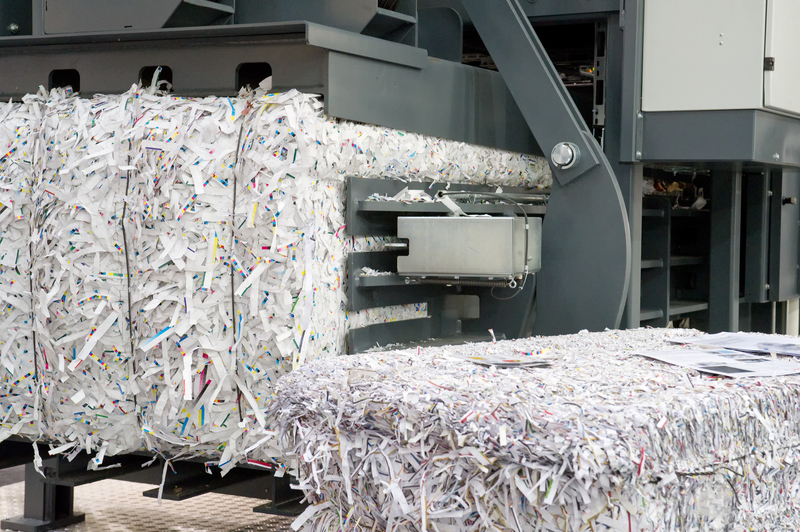
Commercial Waste in Regents Park

Commercial waste in Regents Park needs a service that is tidy, reliable and built around the realities of trading from offices, shops, hospitality venues and managed premises. We handle routine commercial clearances and one-off removals, helping customers deal with unwanted waste, bulky items and mixed loads in a way that keeps workspaces usable. The focus is straightforward: remove the material, sort it carefully and leave the area ready for the next task.
Our commercial waste removal service is suited to day-to-day business clear-outs, refits, storage overspill and end-of-lease jobs. We can take a practical approach to office waste, furniture, fixtures, packaging and other non-hazardous commercial material, with options that suit different access arrangements. If you need a clear plan for disposal, the safest starting point is a written quotation request based on the type and volume of waste.
Because commercial premises often have limited space and shared access, the work benefits from a methodical approach rather than a rushed collection. Items are lifted, loaded and removed with care, and any waste that can be separated for recycling is handled accordingly where possible. If you already know the main items, a short note about access and timings will help. For a simple first step, tell us what needs removing and when.
Office Waste and Workplace Clearances
Office waste can build up in a way that interrupts ordinary work long before a full relocation takes place. We support clear-outs of desks, chairs, cabinets, screens, filing units, packaging and general junk from business premises, with an approach that suits occupied offices as well as empty floors. The aim is to remove what is no longer needed without turning the process into a disruption for staff or visitors.
Where office items are still in usable condition, businesses sometimes ask for mixed clearances rather than a single waste type. That may include surplus furniture after a layout change, items from archive rooms, or older fittings that need to go before refurbishment. We can manage these varied loads in one visit, which is often more practical than splitting the work between several contractors. In some cases, grouping the waste by type before collection can make the quotation more accurate.
What tends to be included
Typical office and workplace removals may involve:
- desks, chairs and storage furniture
- cardboard, packaging and mixed office rubbish
- small fittings and non-fixed items
- paper waste and archive clear-outs
- miscellaneous items gathered during a move or tidy-up
Furniture, Fixtures and Bulky Items

Business premises often need bulky waste removed alongside ordinary rubbish, especially when rooms are reconfigured or equipment is updated. Our service covers furniture disposal and the removal of large items that are awkward to move through busy spaces. This can include tables, cupboards, shelving, reception furniture and other non-hazardous items that take up space and slow down day-to-day use.
For commercial settings, bulky item removal is usually most useful when it is planned around access points, lift use, loading bays and operating hours. That can be especially important in shared buildings or managed properties where timing and movement matter. We work with the layout that is available and handle the loading carefully, so the removal stays as straightforward as possible. If you are comparing options, a quotation request with a short item list will usually be enough to begin.
Some loads are best grouped by room or by type of item so that the work can be priced sensibly and carried out in one visit. That may be the case for furniture left after tenant changes, old stockroom fittings or a reception area update. Clear identification of the larger items helps, but there is no need to overcomplicate the request. A practical summary is enough to get started.
Business Waste Removal for Mixed Loads
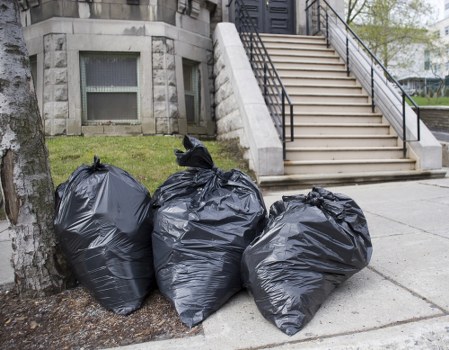
Business waste removal is not always neatly separated into one category. Many commercial collections include a mixture of furniture, bagged rubbish, small fixtures, cardboard and other general material from normal operations. Our service is designed for exactly that sort of mixed load, where the priority is to remove everything that is no longer needed and manage disposal in a sensible way.
Mixed commercial waste often appears after stock changes, office reorganisations, room closures or maintenance work. Rather than asking you to sort every item into a separate removal job, we can usually collect a broader load provided it fits the permitted waste type. That keeps the process practical and reduces the amount of handling you need to organise before the collection. Where the waste includes different categories, it is helpful to mention them early so the job can be assessed properly.
Useful details for mixed loads
When requesting a quotation, it helps to note:
- the main item types in the load
- approximate quantity or room count
- any access limits, such as stairs or narrow entrances
- preferred collection time or building restrictions
- whether the waste is ready at one point or spread across several rooms
Commercial Waste Handling in Occupied Buildings
Commercial waste work in occupied buildings needs more than a vehicle and a loading plan. It has to be organised around other people using the site, which means access, timing and movement matter. We can support collections from premises where staff, customers or residents are still present, provided the waste is ready and the access arrangements are clear. That approach is useful for managed offices, shared units and ground-floor commercial spaces.
In these settings, the job is often about keeping disruption low while still completing the removal efficiently. The waste might be waiting in a rear room, near a service entrance or in a designated collection point, and the collection may need to fit building rules. It helps to let us know if there are time windows or loading restrictions. A short message can be enough to request a quotation and check the most practical way to proceed.
If you are handling waste from a public-facing business, it can also be useful to keep breakable items, confidential material and general rubbish separate before collection. That is not always essential, but it can make the work cleaner and easier to organise. Where the premises are managed by an agent or facilities team, the person making the booking should have the details needed to coordinate access. One clear contact point avoids delays.
Recycling, Sorting and Responsible Disposal

Commercial waste is rarely just “rubbishâ€. A lot of it contains materials that need separating before disposal, especially where business furniture, paper, cardboard, plastics and metal are involved. Our service includes a practical sorting step so recoverable material can be handled appropriately. That makes the removal process more organised and helps reduce the amount of mixed waste going through one channel.
Recycling is not a one-size-fits-all promise; it depends on the composition of the load and what is actually present on the day. Some business clearances are dominated by packaging and office waste, while others include heavy furniture or mixed fixtures that are less straightforward. What matters is that the material is assessed sensibly, with a realistic approach to what can be separated. If you have specific items that need to be identified in advance, mention them in your enquiry.
It can also be useful to think about whether the work should be done as one complete clearance or in stages. Larger premises sometimes prefer a phased approach, especially if different departments are moving at different times. The best choice depends on the amount of material, the building layout and how quickly the space needs to be made available again. A careful sort at the source often makes the final removal smoother.
Pricing Factors and Quotation Requests
Commercial waste pricing usually depends on the amount of material, the type of items, the ease of access and the time needed to complete the removal. A light office clear-out is not the same as a mixed load from several rooms, and bulky furniture often requires more handling than bagged waste. For that reason, a useful quotation request should describe the main items rather than simply asking for “general rubbish removalâ€.
There is no need to overprepare, but a few practical details make the estimate more realistic. Let us know whether the waste is on one floor or several, whether parking or loading access is simple, and whether any items are especially heavy or awkward. If the premises are part of a larger building, mentioning the access route can help. Accurate information up front makes the quotation process clearer for everyone.
For businesses that want a straightforward next step, the best approach is to send a concise description and ask for a quotation. You can also flag any timing requirements or building rules at the same time. If you are ready to move ahead, request a quotation and we can help you plan the collection in a way that suits the space and the waste.
About Regents Park
Regents Park is one of central London’s best-known open spaces, laid out as part of John Nash’s early nineteenth-century masterplan for the capital. The park is notable for its broad circular form, formal terraces and long axial views, combining landscaped gardens with larger recreational areas. Queen Mary’s Gardens, at the northern side of the park, is particularly associated with seasonal planting, especially roses, while the Inner Circle and Outer Circle help organise movement around the site. The park also sits within a wider district whose name is often used for the surrounding residential and institutional streets, creating a place that feels both park-focused and urban in character. Its edges connect with a series of well-known neighbourhoods, including Marylebone, St John’s Wood and Camden, and the area is closely linked to long-established London institutions such as London Zoo on the northern side. The parkland itself has a layered history: the former royal hunting ground, later redesign, and continuing public use all contribute to a landscape that is at once ceremonial and everyday. Architecture around the perimeter includes terraces, villas and elegant crescents, while nearby routes bring in a mix of cultural, educational and civic activity. The result is a central London place with a distinctive balance of formal design, open green space and dense surrounding streets.
Commercial Clearances for Shops, Units and Managed Sites
Retail units, small workshops and managed commercial sites often generate waste in a way that is different from standard office clear-outs. There may be stock packaging, broken fittings, shelving, point-of-sale items or general material left after a refit, stock change or tenancy handover. Our commercial waste service can deal with these varied loads in a practical, non-dramatic way, helping the premises return to normal use as quickly as possible.
When waste comes from a trading space rather than a storage room, timing matters just as much as volume. The load may need to be removed before opening hours, after close, or during a narrow access window agreed with the building manager. That is why it helps to be specific about the setting in your enquiry. If the waste is spread between front-of-house and back-of-house areas, a short description of both will help shape the work.
For this kind of clearance, it is often useful to know whether items are loose, stacked or still assembled. A shelf unit fixed to a wall is different from one that can be lifted in one piece, and packaged stock waste is different from bulky display furniture. We can plan around those differences, but only if they are mentioned. Clear context leads to a clearer quotation.
Office, Retail and Storage Space Waste Planning

Commercial waste planning is easiest when the main types of material are identified before the collection day. In storage rooms, that might mean surplus archive boxes, obsolete stock or old equipment. In office settings, it may be a mix of furniture, cables, paper and general rubbish. In smaller retail units, the waste can include fixtures, displays and packaging from a refit. Each setting has its own practical shape, even though the end goal is the same: a cleared space that is ready for use.
To keep the process simple, it helps to choose whether the work should cover one room, a whole floor or a more focused area. That decision affects loading, access and the likely amount of sorting required. If you are working with a landlord, managing agent or facilities team, align the collection with any building instructions before requesting the job. We can then quote against the actual task instead of a rough guess.
When you are ready, send the details and ask for a quotation. If you prefer to keep it brief, just describe the items, access and timing, and we can take it from there. The aim is to make commercial waste removal in Regents Park as straightforward as possible while still dealing with the load carefully and properly.